The Shipment
June 5, 2025
Doubling Down on Section 232 Tariffs
Steel and Aluminum Tariffs: Double It and Pass It On
What’s Happening: Last Friday, President Trump announced that the 25-percent tariffs on steel and aluminum would be doubled to 50 percent. This tariff adjustment, which officially came into effect yesterday, was introduced in Pittsburgh among a crowd of steelworkers with the justification that it will further protect the U.S. steel industry. Trump further elaborated that increasing the rate will mean no importers or businesses can attempt to circumvent this protectionist measure. A European Union (EU) spokesperson has already come out warning the United States against the move, stating that previously threatened retaliatory tariffs and potentially new countermeasures will be ready as a response by July 14.
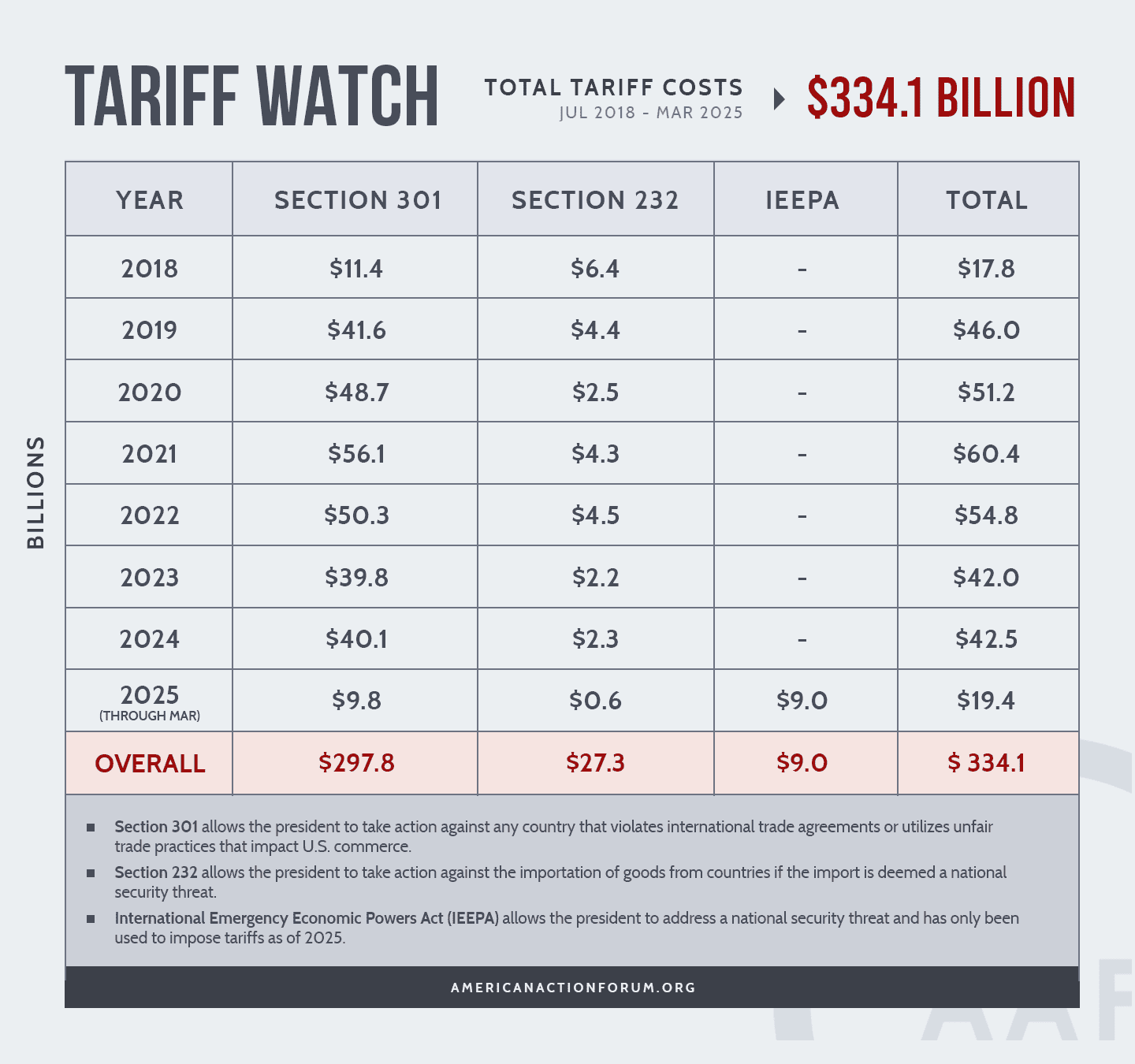
Why It Matters: The Shipment estimates that this 50-percent tariff will increase costs on U.S. consumers and businesses by roughly $10 billion in the first year of implementation, up from the just over $6 billion estimate after the 25-percent tariff announcement. Because steel is a vital input that is not interchangeable in numerous U.S. industries, businesses that rely on steel inputs will likely have little choice but to accept suppliers’ higher prices and then pass some or all of the increased costs on to consumers. The size of the U.S. market should allow U.S. importers some wiggle room when negotiating with foreign suppliers, as the suppliers may choose to absorb some of the extra cost rather than lose access to American consumers. While this may reduce some of the tariffs’ impact, it will not be enough to avoid substantial price hikes that trickle downstream to store shelves. More likely, food and beverage companies will shift from aluminum containers and packages to plastics or other alternatives over the next few years if they expect no tariff changes. The EU, which was blindsided by this tariff hike, has prepared retaliatory tariffs on over $25 billion in U.S. exports as well as other investigations in the pipeline on an additional $100 billion worth of U.S. goods. As for the United Kingdom, the U.S.-UK Economic Prosperity Deal (EPD) signed nearly a month ago is being upheld for now, meaning imports will face a tariff-rate quota (steel imports are duty-free up to a certain limit and are then subject to a 25-percent tariff once the limit is reached). This arrangement is a step toward chiseling out country exemptions that avoid the full force of Section 232 tariffs, although the EPD steel clause is subject to change on July 9. At that point, the UK could either face 50-percent tariffs or be allotted a high enough quota under which tariffs won’t kick in.
Looking Ahead: While the stated goal for this tariff is to protect national security and “save” the steel and aluminum industries, it is likely a reaction to the recent court cases targeting the president’s use of the International Emergency Economic Powers Act (IEEPA). The “Liberation Day” tariffs are still in effect as a final determination on their legitimacy has yet to be made, but the administration has been drafting back-up plans behind closed doors in case current IEEPA tariffs are struck down. Section 232 may be one of the few tested avenues President Trump will have to impose tariffs and bolster his leverage for ongoing trade negotiations. The Trump trade team could potentially be using a 50-percent tariff to flex executive muscles over trade, which will also have the counterintuitive effect of throwing cold water on deals with Japan, South Korea, and the EU, all of whom are reportedly close to a deal and had previous exemptions. If the administration is really looking for deals, and in particular a large-scale deal with the EU, it will likely have to concede some aspect of this tariff or face retaliation on multiple fronts.